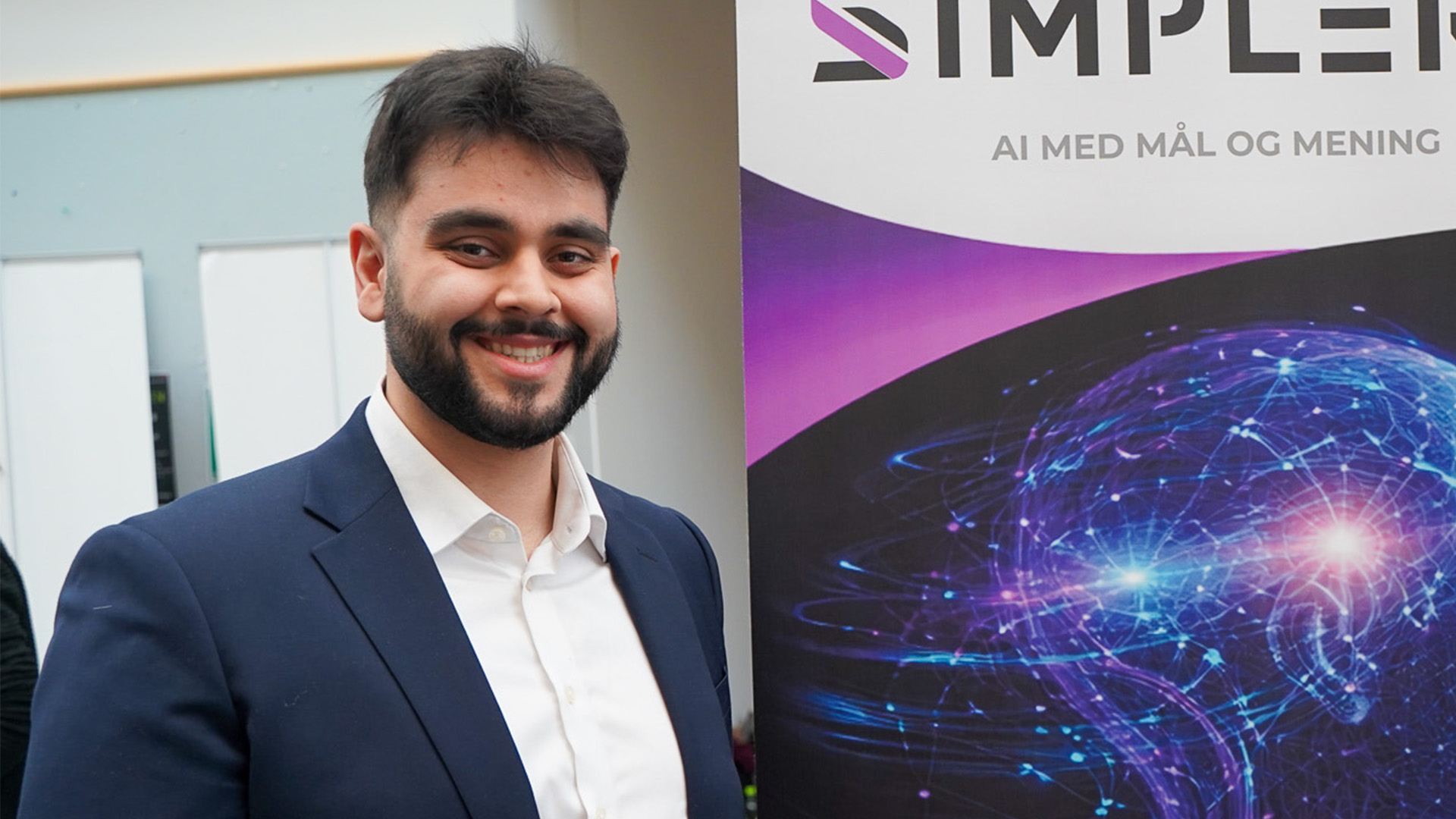
Professors Michael Kampffmeyer, Robert Jenssen and Jukka Corander will help lead the new Norwegian ELLIS Unit.
Image:
Jørn Berger Nyvoll / Petter Bjørklund / Private

Professors Michael Kampffmeyer, Robert Jenssen and Jukka Corander will help lead the new Norwegian ELLIS Unit.

Norway joins the ELLIS Network

The Norwegian AI research community is officially part of ELLIS – European Laboratory for Learning and Intelligent Systems: a leading European AI research network. Professors Michael Kampffmeyer, Robert Jenssen and Jukka Corander will help lead the new Norwegian ELLIS Unit.

Norway joins the ELLIS Network: a leading European AI research network

The Norwegian AI research community is officially part of ELLIS – European Laboratory for Learning and Intelligent Systems: a leading European AI research network. Professors Michael Kampffmeyer, Robert Jenssen and Jukka Corander will help lead the new Norwegian ELLIS Unit.

By Petter Bjørklund, Communications Officer at Arctic Institute for AI in Science and Innovation

ELLIS gathers excellent AI research environments from all over Europe. The goal is to strengthen Europe's position in AI, contribute to European countries' ability to shape how AI technologies should be developed and used, and ensure that leading basic AI research takes place in Europe.

ELLIS supports Europe's goal of technological sovereignty and global competitive strength, and plays a key role in shaping an independent AI research agenda in Europe. ELLIS encompasses 21 countries and 2300 individual members.

The Norwegian unit, ELLIS Unit Norway, shall contribute with basic and applied AI research for solving different societal, environmental and technological challenges. The unit is established after a thorough assessment which fulfills the network's strict requirements.

The unit also has a special focus on challenges and needs in the Arctic, the High North, and the Nordics in general. Together with other ELLIS Units, ELLIS Unit Norway aims to connect AI research environments across institutions and borders.

Important for developing AI that benefits society

Professors Michael Kampffmeyer, Robert Jenssen and Jukka Corander will help lead ELLIS Unit Norway. They say it will be important for developing AI that is responsible and beneficial for society.

"For Norway, it is not just about being a part of an international network, but also to contribute with our own perspectives and values for researching and developing AI," Kampffmeyer says. He is a Professor at UiT and Arctic Institute for AI.

AI develops at a quick rate and mainly happens across borders. The Norwegian ELLIS unit is therefore significant for AI research and development in Norway.

"The network creates new and unique opportunities for international collaboration, capacity building, and access to expertise and research infrastructure," says Jenssen, who is Centre Director at Arctic Institute for AI.

"A recognized brand of excellence"

Kampffmeyer and Jenssen believes this partnership can elevate the quality and visibility of Norwegian AI research.

"It may also contribute to value creation and innovation for industry and the public sector," says Kampffmeyer.

Corander describes ELLIS as a widely recognized brand of excellence.

"ELLIS facilitates access to a global pool of talent which can help secure a competitive position for Norway in this rapidly evolving field," says Corander.

Represents different Norwegian AI research environments

ELLIS Unit Norway is structured as a decentralized unit which represents different AI research environments across Norway.

Researchers from NTNU, University of Oslo, University of Stavanger, Western Norway University of Applied Sciences, Østfold University of Applied Sciences and University of Agder are also part of the unit.

In addition to ELLIS Unit Norway, ELLIS is establishing four new ELLIS Units in Hamburg, Innsbruck, Ireland, and Côte d'Azur.

Latest news

Successful side event on AI's role in the Arctic and the High North

November 13, 2026

Arctic Institute for AI in Science and Innovation gathered researchers, politicians and industry players to discuss AI's role in the Arctic and High North at Agenda Nord-Norge 2026.

uit.no: Agenda Nord-Norge: Hva er kunstig intelligens sin rolle i Arktis?

November 2, 2026

KI skaper enorme muligheter for Arktis og nordområdene. Men er Norge godt nok rustet til å utnytte teknologien slik at den kommer nordnorske samfunn til gode? UiT inviterer til en spennende samtale om KI sin rolle i regionen på Agenda Nord-Norge den 4. november.
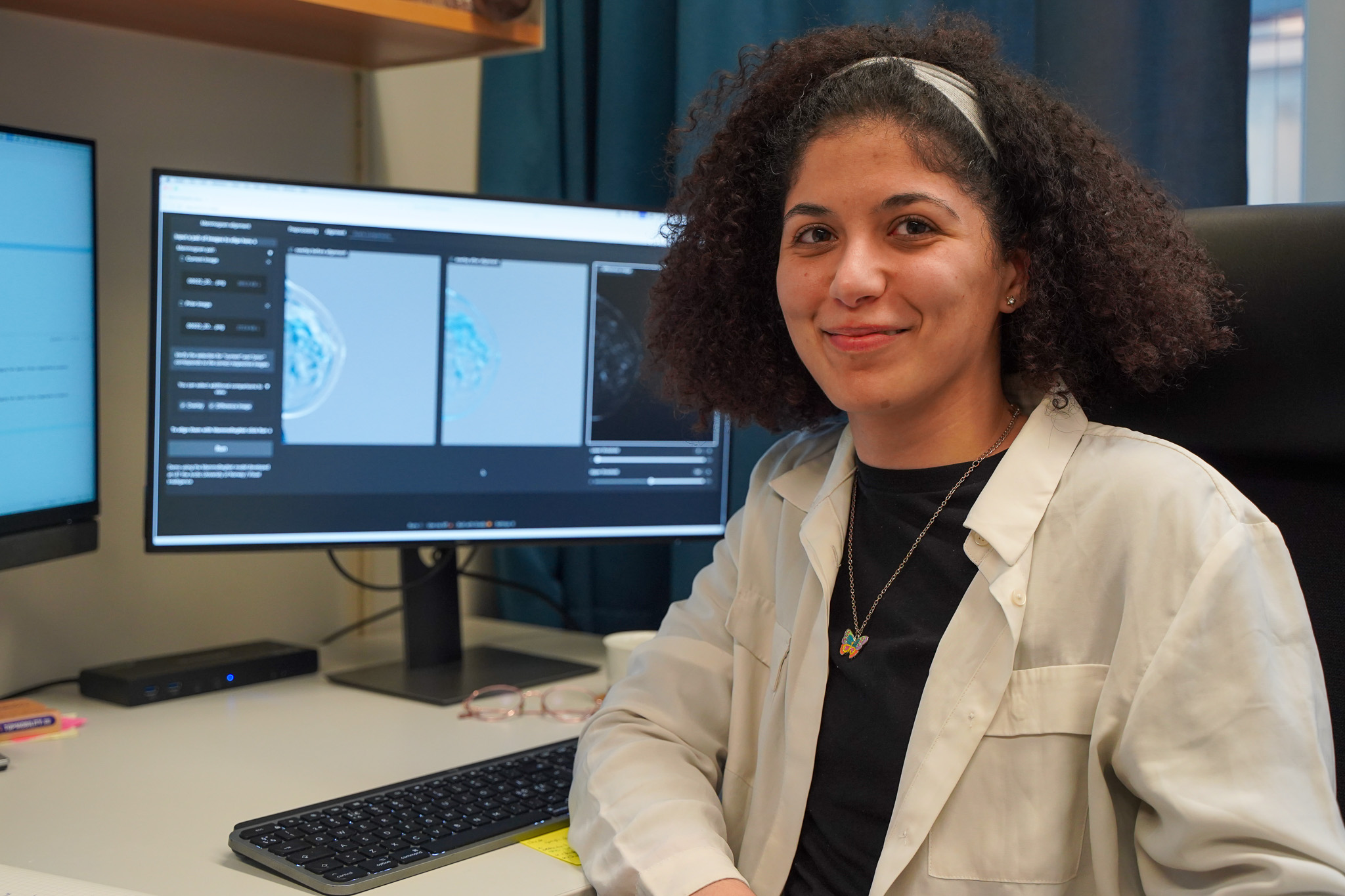
Could an AI-based software make it easier to detect changes in breast tissue?

October 8, 2026

Cheyma Azzouz, a Master Student at UiT's Physics program, developed a graphical user interface for aligning mammography images as part of an [AI]² internship. This can help doctors identify and track subtle tissue changes linked to breast cancer risk.

Internship Profile: How can AI make invoice management more efficient?

September 16, 2026

Kian Sartipzadeh, a Master Student at UiT's AI study program, talks about his experiences as a summer intern at the Arctic Institute for AI. Together with UiT's finance department, he developed an AI system to assist the finance staff with correcting invalid invoices.

uit.no: UiT-professor: – Kunstig intelligens kan bli avgjørende for sikkerheten i nord

August 18, 2026

Områdene over polarsirkelen står overfor omfattende endringer og press. Hvordan kan kunstig intelligens bidra til mer motstandsdyktige samfunn i nord? Dette ble diskutert under Arendalsuka der tema var KI sin rolle og betydning for Arktis og nordområdene (News article at uit.no)
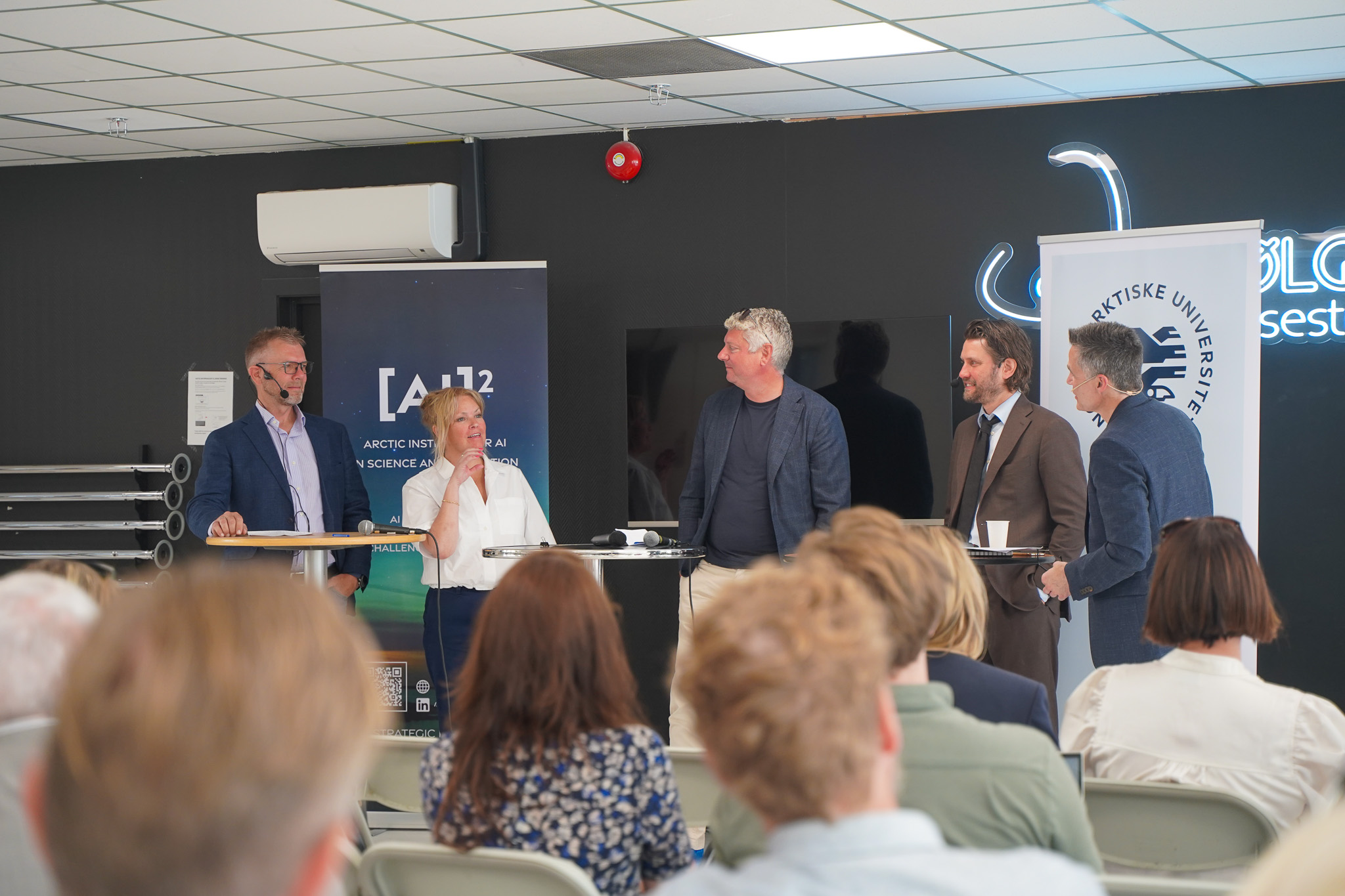
Arctic Institute for AI at Arendalsuka 2026

August 17, 2026

The Arctic Institute for AI gathered representatives from industry and Norwegian politics to discuss how AI can be used to handle pressure and changes in the Arctic region