

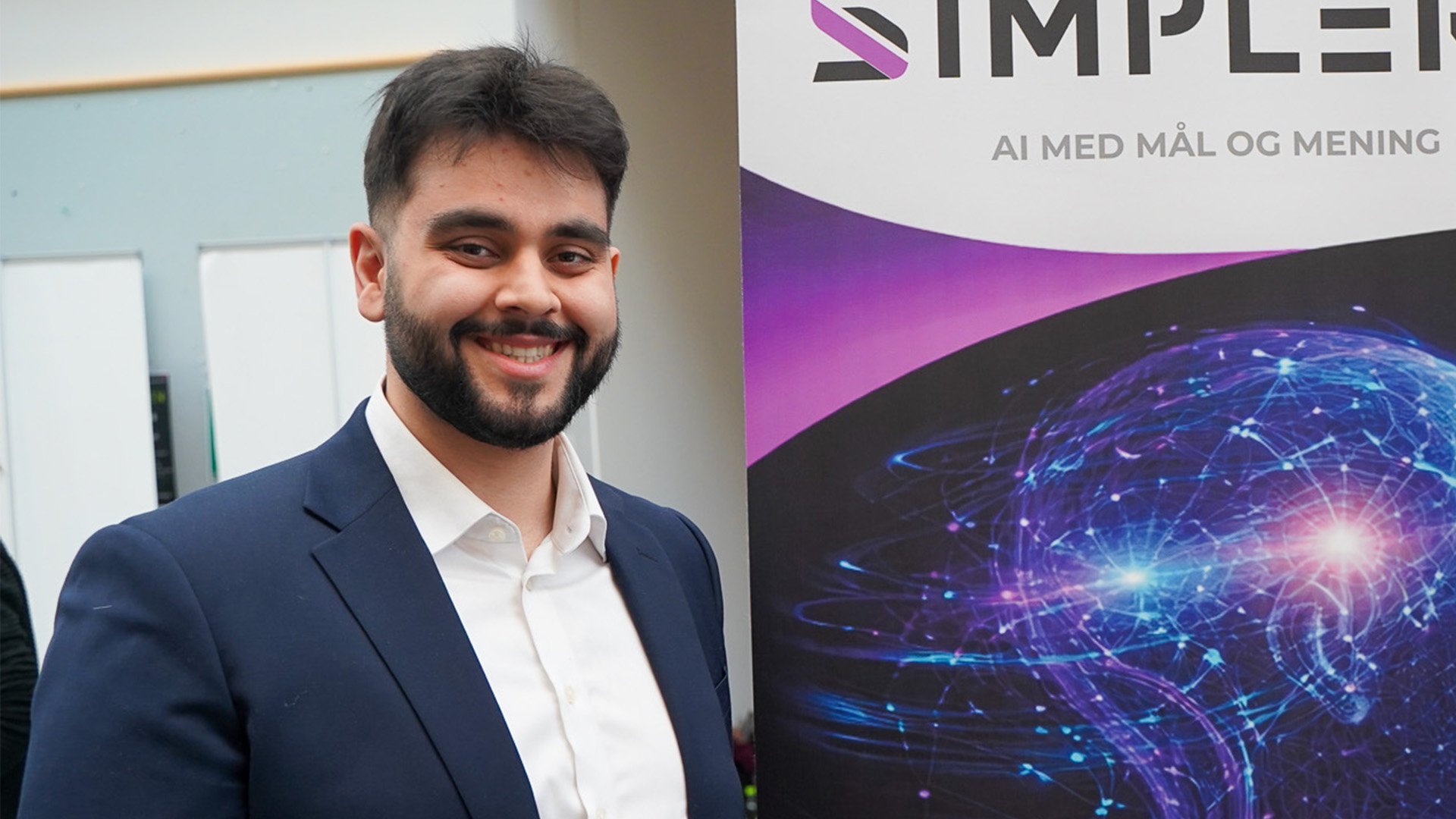
Kian Sartipdzadeh
Kian Sartipzadeh, a Master Student at UiT's AI study program, talks about his experiences as a summer intern at the Arctic Institute for AI. Together with UiT's finance department, he developed an AI system to assist the finance staff with correcting invalid invoices.
Kian Sartipzadeh, a Master Student at UiT's AI study program, talks about his experiences as a summer intern at the Arctic Institute for AI. Together with UiT's finance department, he developed an AI system to assist the finance staff with correcting invalid invoices.
By Petter Bjørklund, Communications Officer at Arctic Institute for AI in Science and Innovation
When an invoice arrives with missing or invalid information, it fails automatic booking in the ERP system and is routed to a manual queue. The finance staff then has to investigate each one manually, hunting for the correct information.
"This work is slow and repetitive, which wears down the bookkeeping efficiency and the staff's job satisfaction," says Sartipzadeh.
During his internship, he built an AI system that automates this investigation. The internship was facilitated by the Arctic Institute for AI, in collaboration with UiT's Machine Learning group.
"The system reads the invoice, identifies what is wrong, and uses search tools against the finance department's own registers to suggest the correct values, with evidence for every suggestion," Sartipzadeh explains.
The internship resulted in a working prototype that runs end-to-end. An invoice is uploaded, processed by the system, and creates a report which names each problem with a suggested correction.
This reduces the manual workload considerably.
"This brought down the investigation time from 5 to 10 minutes to approximately 10 seconds. You can imagine how this looks for a queue that receives tens to hundreds of invoices everyday," says Sartipzadeh.
Bjarte Kristoffersen, Head of UiT's finance department, supervised Sartipzadeh together with Associate Professor Kristoffer Wickstrøm, and is highly impressed by the student's results.
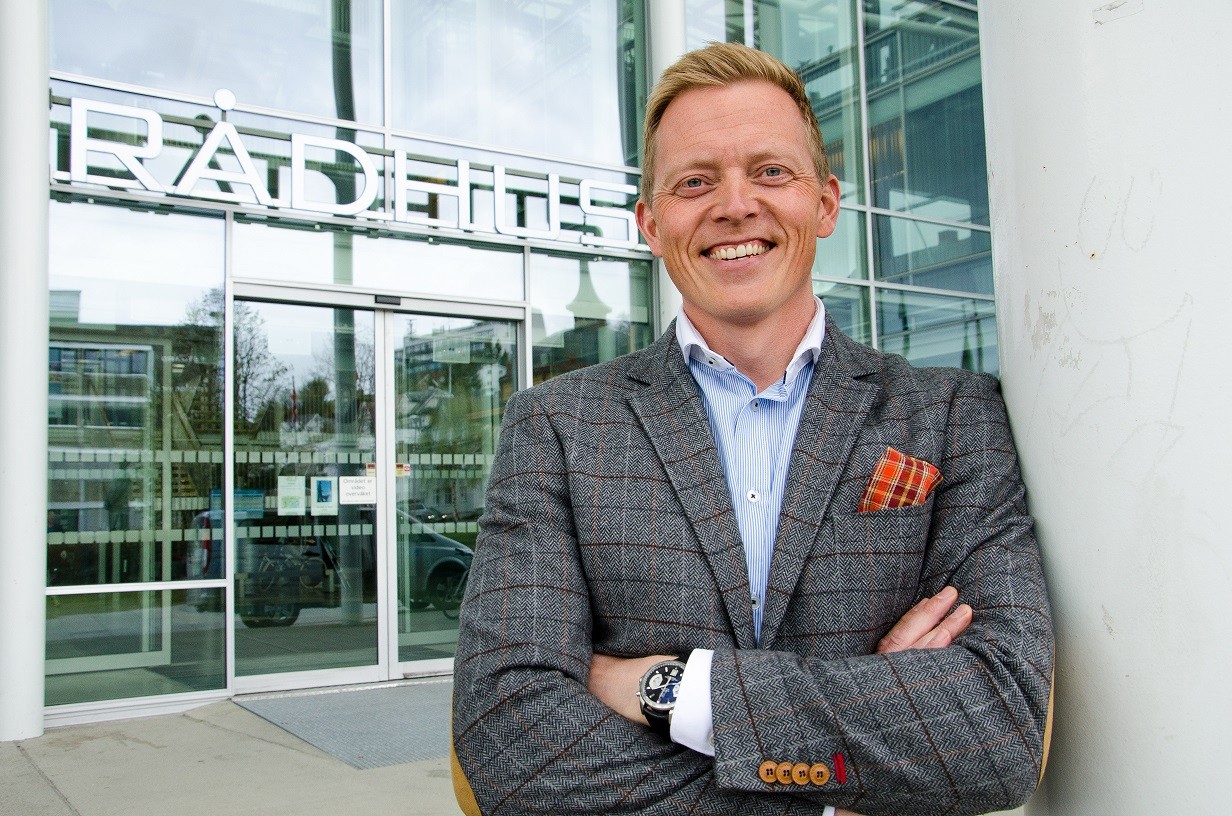
"The project addresses a very practical challenge in invoice processing, where employees spend considerable time investigating invoices with missing or incorrect information," Kristoffersen says.
The system provides several benefits to the finance department.
"The main benefit is that the system can significantly reduce the time needed to correct invoices. This could lead to more efficient processes and free up time for other important tasks," he adds.
In the long term, the finance department has shown interest in implementing the system in the workflow. However, Kristoffersen notes the need for more testing and validation.
"There is definitely potential for further use, but we are still at an early stage. If we move forward, I see the system as a tool that supports employees with recommendations and suggested actions. The final decision will still remain with the finance staff," he says.
Kristoffersen describes the collaboration as a very positive experience for the finance departement.
"Kian quickly understood the problem we were trying to solve and was able to turn ideas into a working prototype. The collaboration with the Machine Learning Group has also been excellent," Kristoffersen says.
"The project is a good example of what can happen when students, researchers and administrative staff work together on a real-world challenge," he adds.
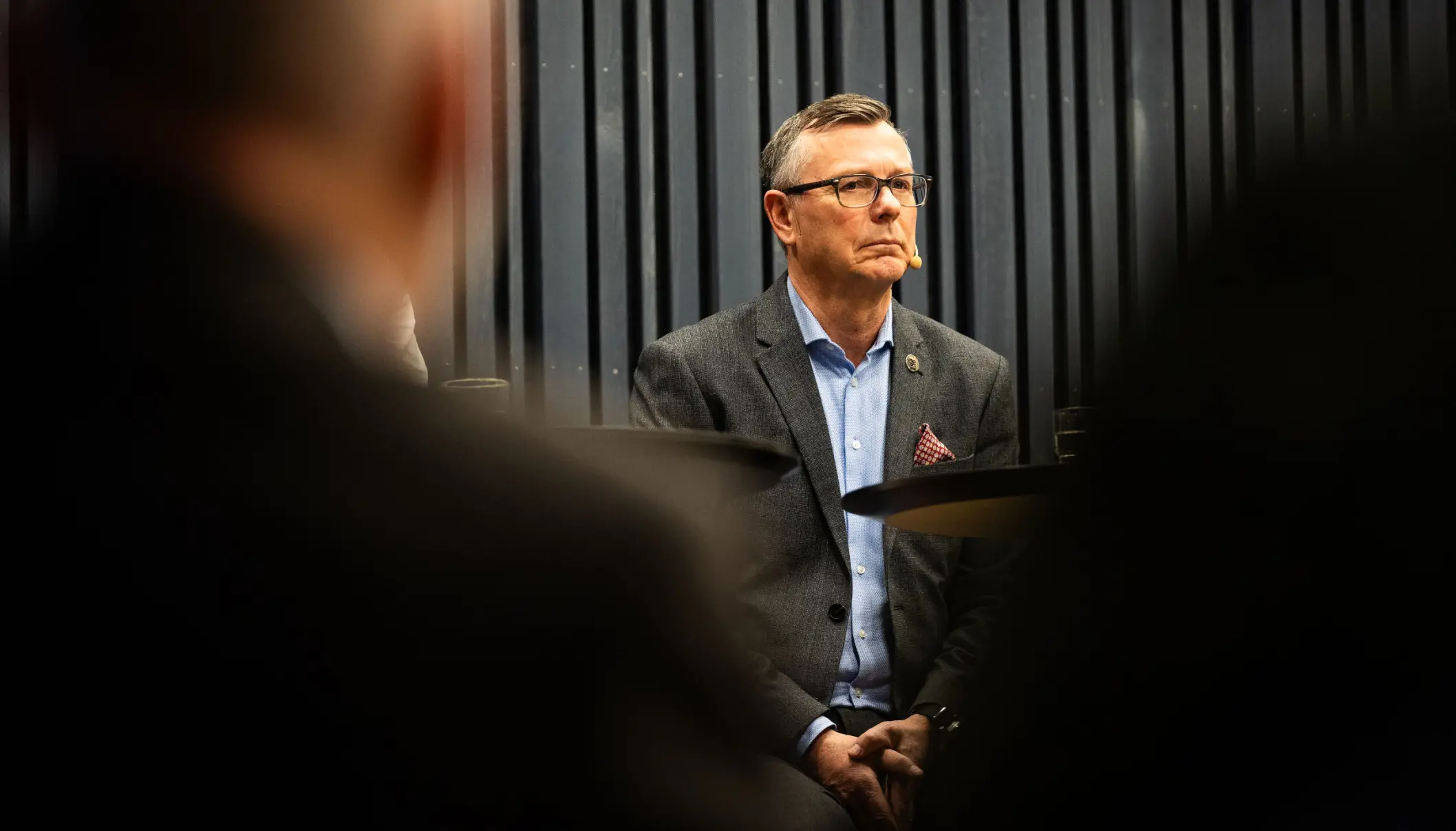
Norge må ta lederskap i ansvarlig KI-utvikling — ikke ved å stå på bremsen, men ved å bygge kompetansen som gjør oss i stand til å styre (Norwegian opinion piece in Khrono.no).

The areas above the Arctic Circle are facing sweeping changes and pressure. How can artificial intelligence (AI) contribute to more resilient communities in the north?
.png)
Congratulations to Centre Director Robert Jenssen, who was appointed as a new fellow at the International Associaton for Pattern Recognition (IAPR).
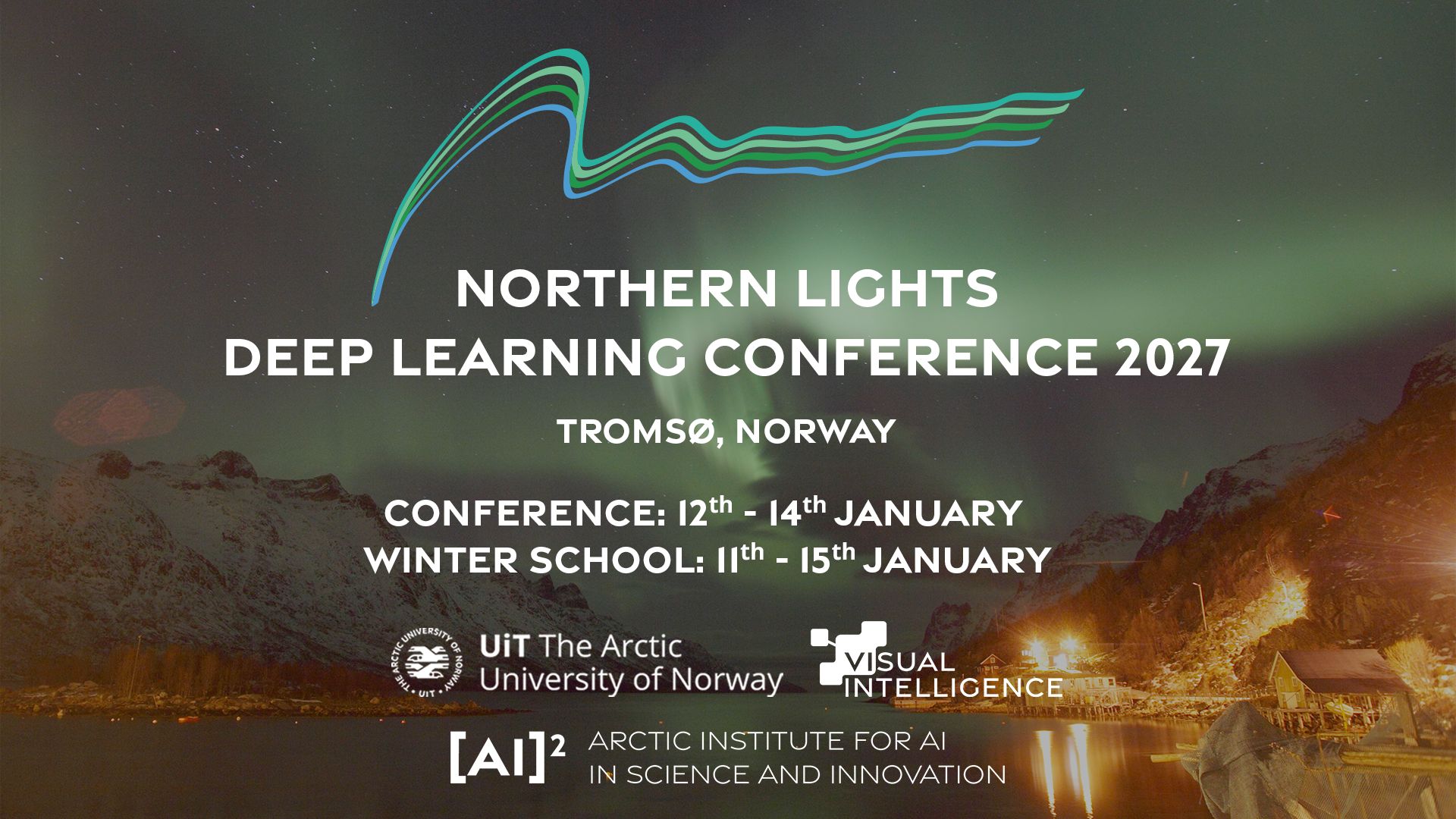
Arctic Institute for AI in Science Innovation is proud to be a co-organizer of the Northern Lights Deep Learning Conference 2027.
.jpg)
Områdene over polarsirkelen står overfor omfattende endringer og press. Hvordan kan kunstig intelligens bidra til mer motstandsdyktige samfunn i nord? Dette ble diskutert under Arendalsuka der tema var KI sin rolle og betydning for Arktis og nordområdene (News article at uit.no)
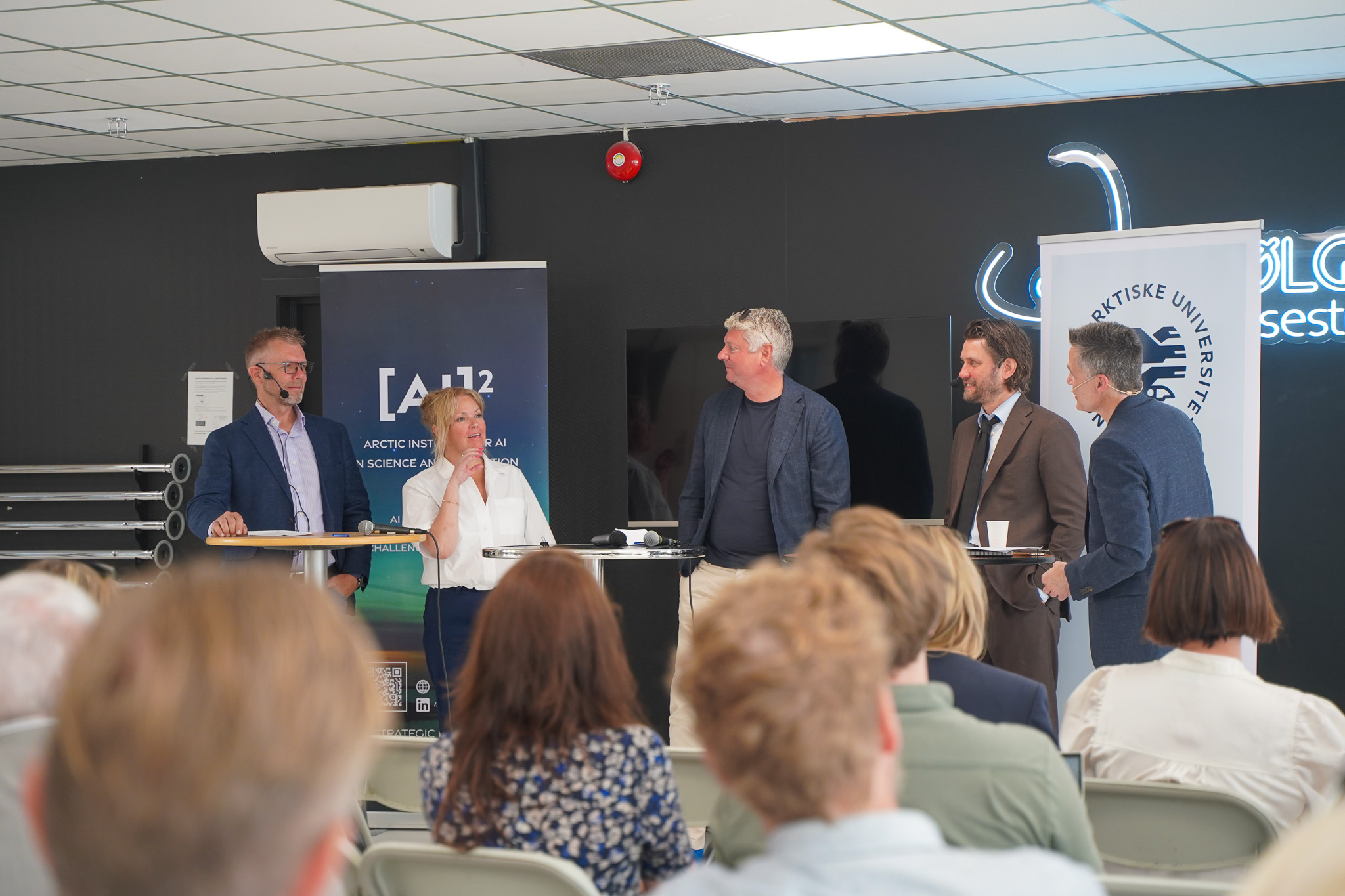
The Arctic Institute for AI gathered representatives from industry and Norwegian politics to discuss how AI can be used to handle pressure and changes in the Arctic region